
Commercial remote sensing: The critical U.S. National Security Space imperative
Accelerating space-based intelligence — the most critical domain in modern warfare — at disruptive speed and economics.

Accelerating space-based intelligence — the most critical domain in modern warfare — at disruptive speed and economics.

Disputes over spectrum use by mega-constellations in low Earth orbit, such as SpaceX's Starlink, also carry heavy political baggage at the 2023 World Radio Conference that starts tomorrow in Dubai.


Lithium-metal batteries are one way to break the weight and endurance limits of today’s unmanned systems.

"It can't just be a strategy with aspirational platitudes about how we're going to work together," Chief of Space Operations Gen. Chance Saltzman said. "It has to have more tangible guidance, things that we can take action on."

The new policy does not change the restrictions for exports of rockets or drones designated by the MTCR as Category 1 systems.

Hyperspectral imagery could allow analysts at NRO's sister agency, the National Geospatial Intelligence Agency (NGA), to do things like identify drug production facilities or find evidence of chemical weapons production.
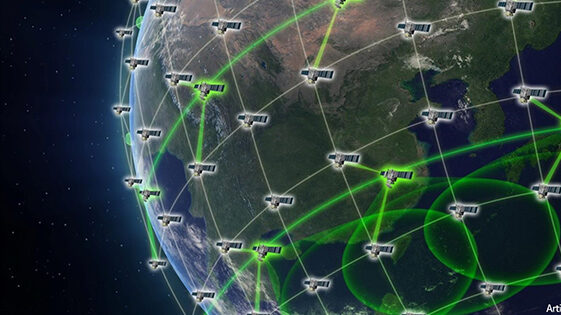
"We really focused on payloads that had tactical utility, because they were an underserved market," said Blackjack program manager Stephen Forbes.


As threats continue to evolve, speed will increasingly depend on what is already available when the need emerges.
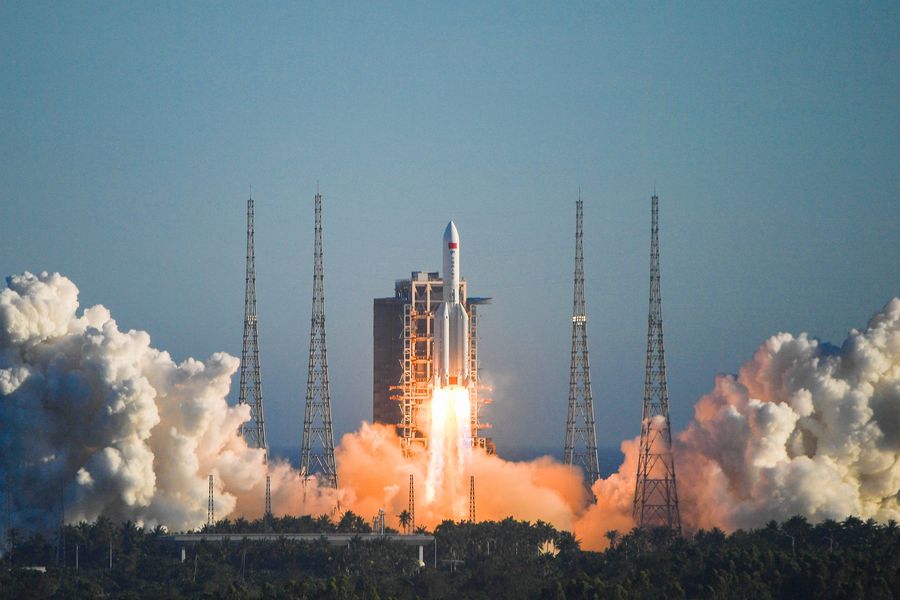
China has launched 29 satellites through Sept. 30, compared 27 launched by the US. The US has far more satellites already in space.

"Rather than imposing specific requirements, SPD-5 affords all government stakeholders a policy framework to implement prudent practices to enhance resilience, including specific efforts to work with the commercial space sector overall and promote information sharing. That’s an improvement from the status quo," Andrew D'Uva, US industry chair of the Space Force/NSA’s Commercial Space INFOSEC Working Group (CSIWG) says.
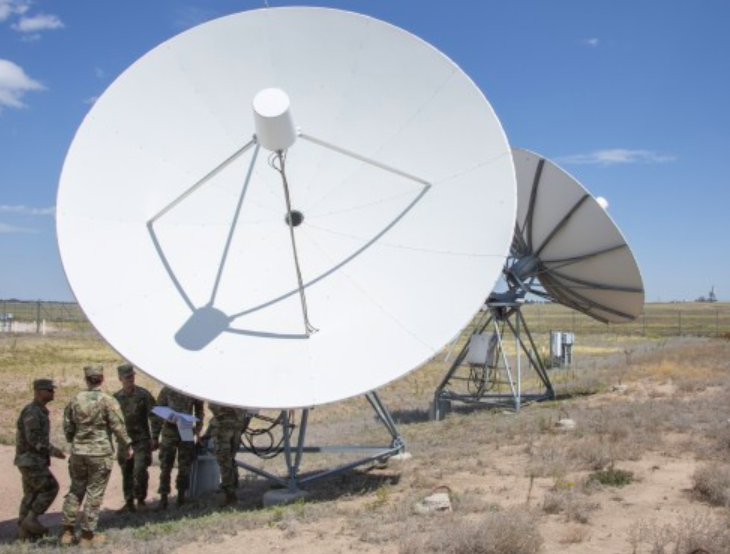
"We think that p-LEO is a big deal. And there's got to be a revolution that has to hit the ground segment, says Phil Carrai, president of Kratos's space, training and cyber division.

The Space Foundation's analysis shows a whopping 73 percent increase in the global space economy between 2009 and 2019: from 245.06 billion to 423.8 billion.

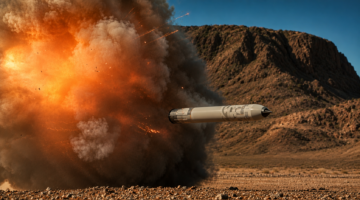
The goal of such weaponization is to tie warfighter needs to the RDT&E cycle.
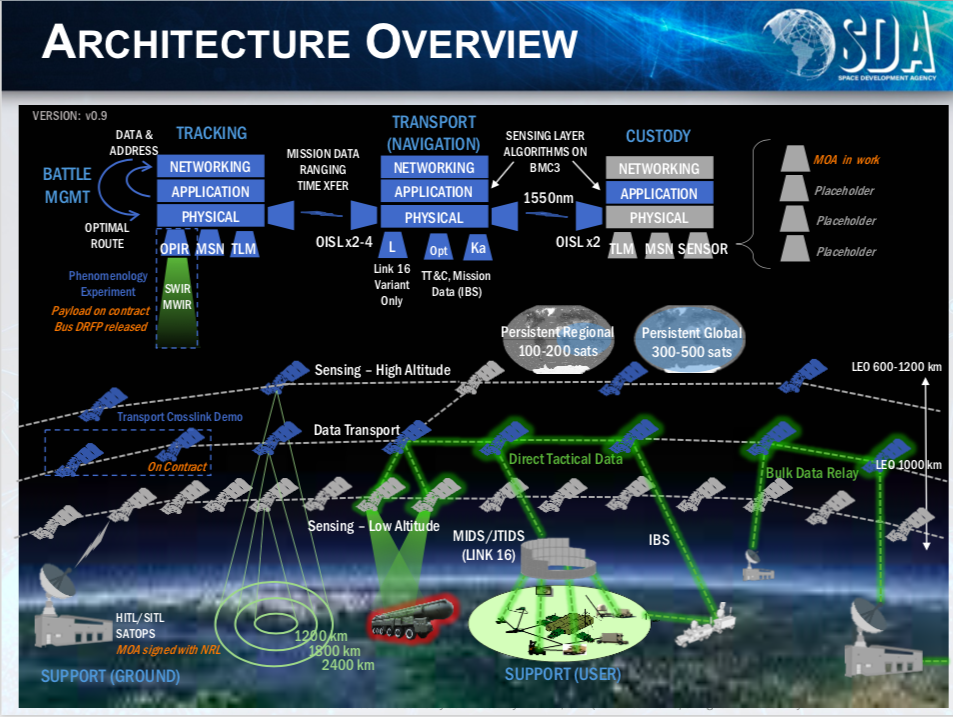
SDA Director Derek Tournear, and his boss Mike Griffin, want to delay SDA's integration with Space Force until after 2023.

"Putting non-maneuverable cubesats into LEO in densely populated orbits ... is like putting go-carts on the freeway. Nobody would do that," says Viasat's John Janka.

DoD currently maintains 17,000 terminals with "approximately 135 different designs," GAO said. Those terminals operate across diverse platforms—such as ships, backpacks, vehicles -- all with differing system requirements.
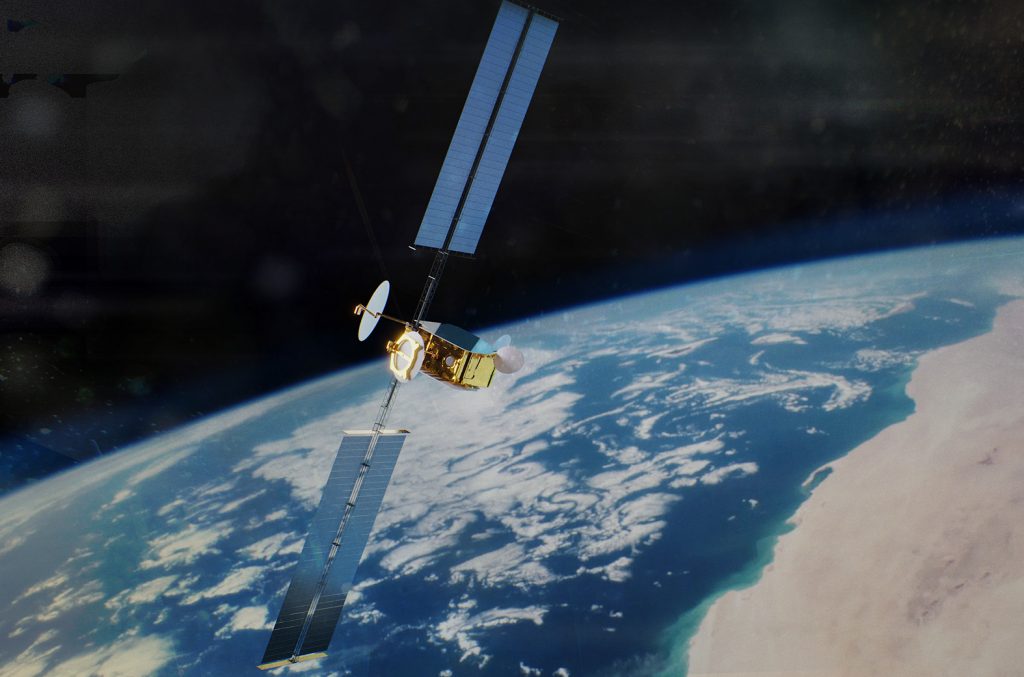
While industry remains hopeful, GAO says DoD lacks a plan for integrating commercial satellite communications capabilities.